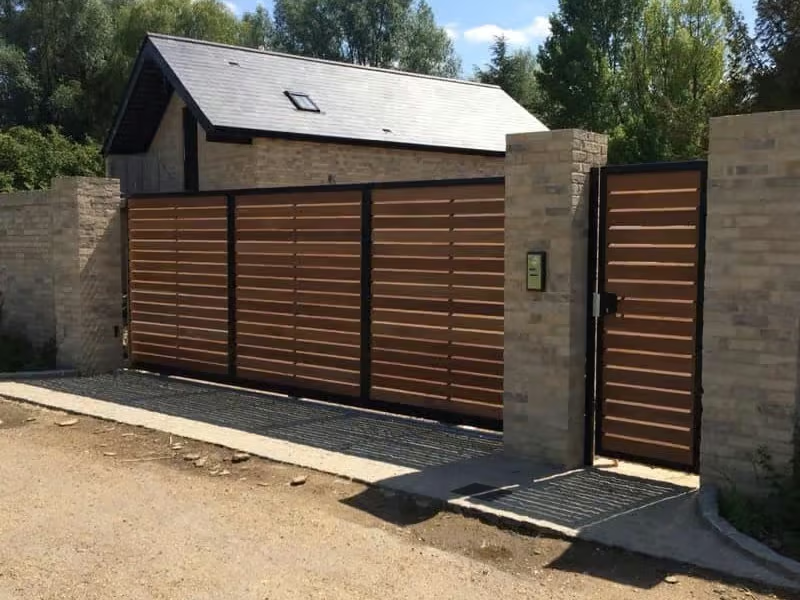
Whether you’re adding extra privacy, security, or just a touch of style to your property, installing a side gate can be a fantastic home improvement. Many homeowners across the UK are turning to DIY side gate installation to save on labour costs and get a satisfying weekend project under their belt. But how straightforward is it, really?
In this garden gate installation guide, we’ll walk you through the tools you’ll need, step-by-step tips, and common pitfalls to avoid. If you’re wondering how to install a side gate, this post has you covered.
🧰 Tools You’ll Need for DIY Side Gate Installation in the UK
Before you begin, gather the following essential tools:
Spirit level
Measuring tape
Post hole digger or spade
Drill and appropriate drill bits
Galvanised screws or bolts
Hinges and latch kit
Post mix concrete (for wooden or metal posts)
Post mix concrete (for wooden or metal posts)
Screwdriver or impact driver
Saw (if trimming is required)
Pencil and string line
🏡 How to Install a Side Gate: Step-by-Step
Here’s a simplified guide to installing a standard wooden or metal side gate:
1. Measure the Opening
Start by measuring the width and height of your gate opening. Leave room for the gate to swing and accommodate hinges and the latch. Measure twice to avoid costly errors.
2. Choose Your Gate and Posts
If you’re not replacing an existing gate, select a suitable one for your home style — timber, metal, or composite. Ensure your gateposts are sturdy and treated if they’ll be exposed to the elements.
3. Mark Out and Dig Post Holes
Use your string line and level to mark post locations. Dig holes about 600mm deep (depending on the height and weight of the gate).
4. Set the Posts
Place the posts in the holes and fill with post mix. Use your spirit level to ensure they’re vertical. Let them set according to the mix instructions (usually 20–30 minutes).
5. Hang the Gate
Attach the hinges to the gate first, then position the gate and mark where the hinges will go on the post. Pre-drill pilot holes to prevent wood splitting. Secure the gate to the post and check it swings freely.
6. Fit the Latch and Final Adjustments
Install your chosen latch or lock mechanism at a comfortable height. Check alignment and make minor adjustments as needed.
7. Treat or Paint the Gate
If you’re using a wooden gate, treat or paint it with weatherproof paint or stain to prevent rot and extend its life.
⚠️ Common Pitfalls to Avoid
Even confident DIYers can run into trouble. Here are the most common mistakes:
Uneven posts: Misaligned posts can cause the gate to swing badly or not latch properly.
Ignoring clearance: Make sure the gate has enough room to open fully — especially if near a wall or bin area.
No drainage planning: Ensure water doesn’t pool around wooden posts, or they’ll rot quickly.
Skipping rust protection: For metal gates, always coat any drilled holes or scratches with anti-rust primer.
Over-tightening hardware: This can strip screws or damage softwood gates.
✅ Final Thoughts: Is DIY Side Gate Installation Worth It?
If you’re reasonably handy and enjoy working outdoors, then yes — a DIY side gate UK project can be a rewarding and cost-effective option. However, accuracy and patience are key. For more complex installations, like sloped ground or heavy gates, consider getting professional help.
Ready to get started? Bookmark this garden gate installation guide and take it step by step.