1. What exactly is a “composite + metal‑frame” gate?
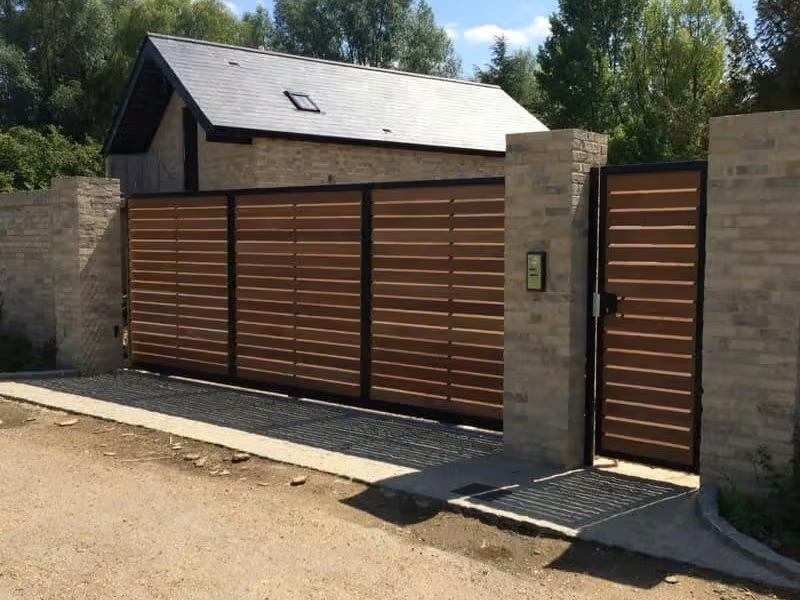
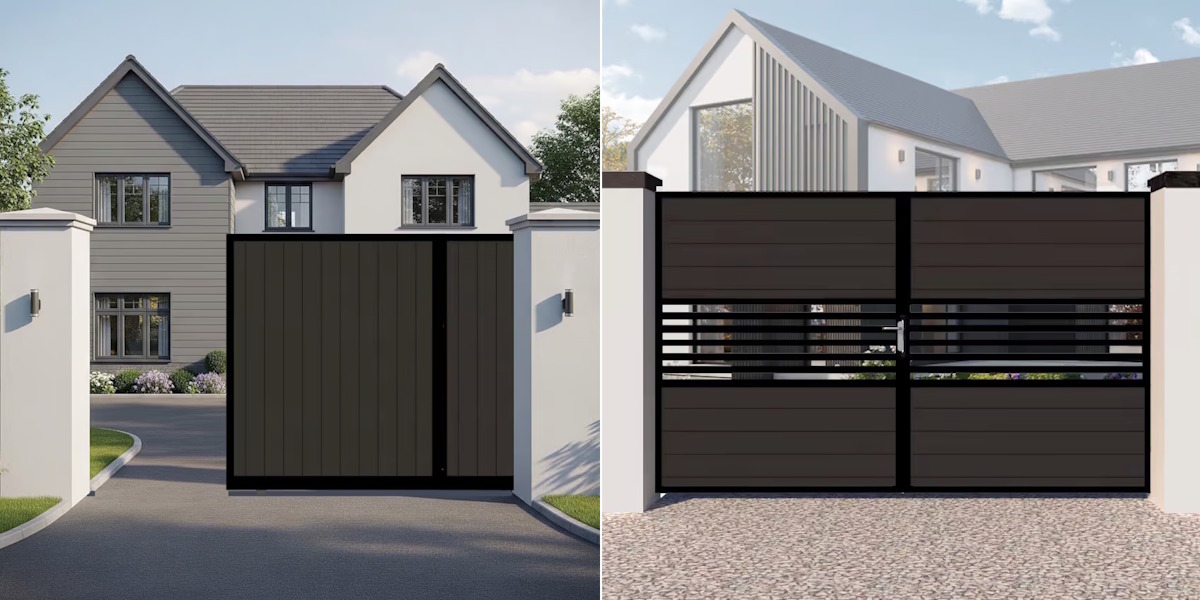
A composite gate is built from boards made of recycled wood fibres blended with high‑density polymers; those boards slot into, or are bolted onto, a welded aluminium or steel frame. The frame supplies rigidity and load‑bearing strength, while the composite infill gives the warmth of timber without the upkeep. Think of it as getting the best bits of wood and metal—minus their worst habits.
2. Unrivalled durability—no more warping, rotting or rust spots
Traditional timber swells, shrinks, and eventually rots; plain steel or wrought iron can corrode. Composite boards, however, are impervious to moisture, insects and UV fade, while the metal skeleton stops the leaf from twisting or sagging over time. Tests show aluminium or steel frames can hold wider spans—up to 3 m single‑leaf—without the dreaded mid‑season droop.
3. True “hose‑it‑down” maintenance
Forget yearly sanding, staining or anti‑rust touch‑ups. A composite/metal gate usually needs nothing more than a quick rinse to look showroom‑fresh. Home‑owners report saving whole weekends each year compared with wood or wrought‑iron alternatives.
4. Security you can trust
A metal perimeter gives predictable hinge alignment, accepts robust locks and automation kits, and resists forced entry better than timber rails. Many manufacturers embed concealed steel channels or brackets so the fixings are tamper‑proof. In residential testing, composite gates with steel reinforcement met the same impact‑resistance rating as light‑duty commercial steel models—without the sharp edges or heat‑retention issues of bare metal.
5. All‑weather performance from Aberdeen to Algarve
Composite boards don’t absorb water, won’t leach tannins onto paving, and shrug off frost and ice. Meanwhile a galvanized or powder‑coated frame blocks corrosion—even in coastal air—so no flaking paint or swollen joints. The result: a gate that looks the same in year 10 as it did on installation day.
6. Design freedom & kerb appeal
Because the structural work is done by the metal chassis, the infill panels can be skinny slats, wide privacy planks, or decorative chevrons in almost any RAL colour—without compromising strength. Many homeowners choose a “timber‑grain” composite for warmth on the street side and a contemporary charcoal on the inside face, something timber or vinyl can’t match easily.
7. Sustainability matters
Most composite boards contain 55–95 % recycled material (wood dust plus post‑consumer plastic). By locking those waste streams into a product that can last 25–30 years, you lower landfill and cut demand for virgin lumber. Add a recyclable aluminium frame and the cradle‑to‑cradle score looks even better.
8. The long‑term money angle
Up‑front, composite gates slot between vinyl and mid‑grade steel on price. Where they win is in the “total cost of ownership”: no consumables, no call‑outs for rot repair, and no repaint bills. Case studies show payback on the price difference versus softwood gates in as little as four years.
9. Any downsides?
- Weight: Composite boards are heavier than PVC, so budget for quality hinges and adequate posts.
- Heat gain: Dark colours can run hotter to the touch than lighter hues—something to note for south‑facing driveways.
- Non‑DIY friendly: Cutting and lining up boards inside a welded frame needs accurate tools; many homeowners prefer professional installation.
Bottom line
If you’re looking for a gate that stays straight, needs virtually zero upkeep, looks designer‑smart for decades and still ticks the eco box, a composite leaf wrapped in a sturdy metal frame is hard to beat. Upgrading may cost a little more on day one, but the dividends—peace of mind, saved weekends, and lasting street appeal—keep arriving year after year.
Ready to explore styles? Chat with a local installer about frame materials (galvanised steel vs powder‑coated aluminium), board colours, and automation options that suit your driveway—and wave goodbye to paintbrush season for good.